


Description
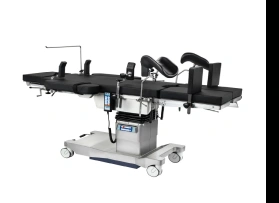
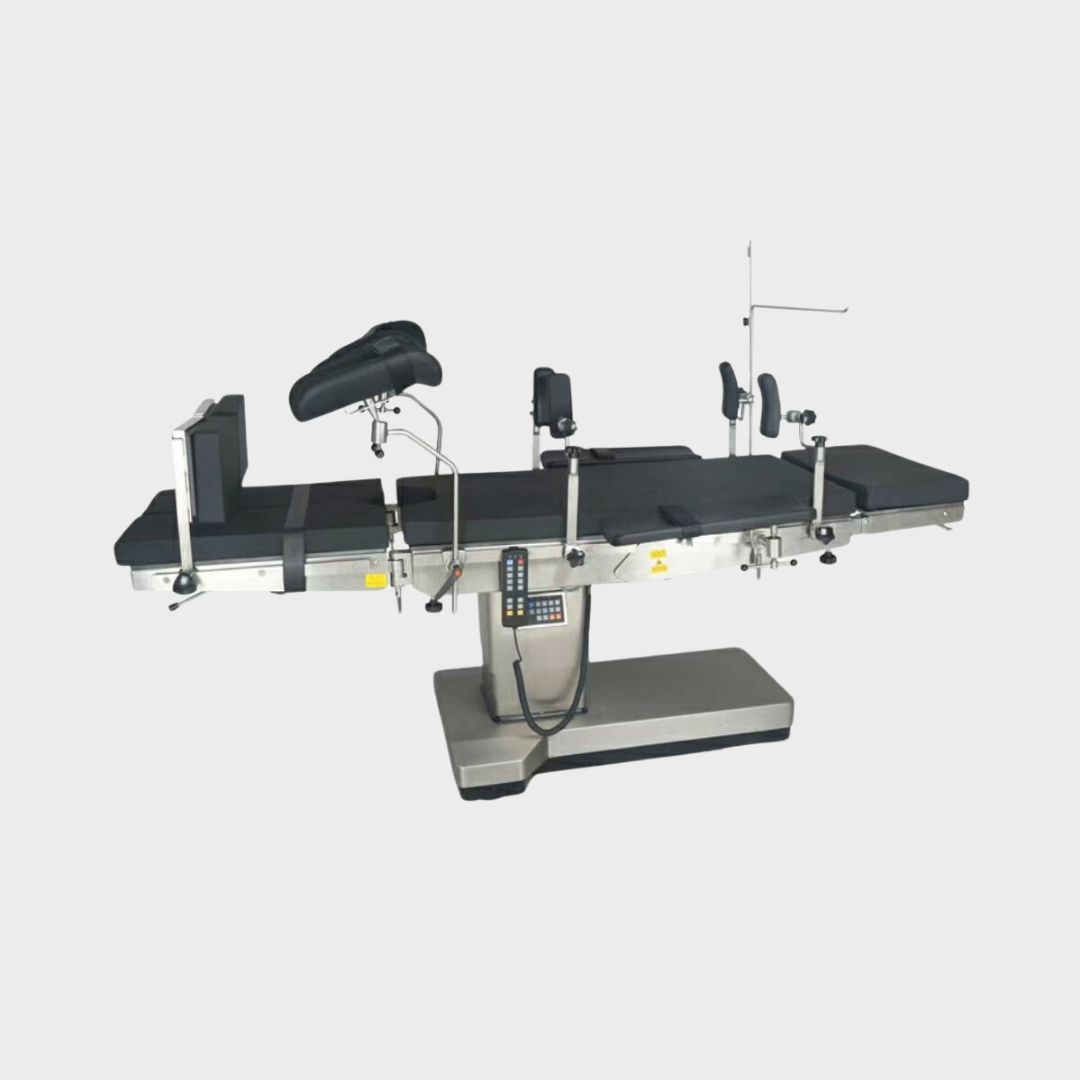
Operation Table – 7 Function Electric Surgical Table for OT Use
An operating table system is basically made up of three components: an operating table column, the table top and the transporter. Modern operating table systems are available as both stationary and mobile units. There are a wide range of table tops that can be used for both general surgery and for specialist disciplines. Mobile operating tables, however, tend to be equipped with a specific discipline in mind. The base, column and table top form a unit.
An “operation table” (or surgical/operating table) is a specialized, adjustable medical table for positioning patients during surgery, crucial for surgical access, safety, and comfort, featuring movable sections, accessories, and controls for various positions like supine, prone, or lithotomy. In computing, an “operation table” can refer to a database table showing data operations (selection, projection, join) or a mathematical table defining operations on sets (like binary operations).
Overview
The Operation Table is a high-quality surgical table designed for safe and precise patient positioning during medical procedures. It is widely used in operation theatres for general surgery, gynecology, orthopedics, urology, ENT, and emergency surgeries.
This advanced electric operation table offers smooth adjustment, strong load capacity, and stable positioning to support surgeons in performing accurate and safe procedures.
Key Features
- 7-function electric adjustment system
- Smooth height, tilt, and positioning control
- Trendelenburg and reverse Trendelenburg positions
- Strong stainless-steel body construction
- Radiolucent tabletop (X-ray compatible in selected models)
- Multi-section design (head, back, leg adjustment)
- High load-bearing capacity for patient safety
- Easy-to-clean and anti-corrosion surface
- Remote or foot control operation
- Stable locking system for surgical precision
Clinical Applications
This surgical table is widely used in:
- General Surgery
- Orthopedic Surgery
- Gynecology & Obstetrics
- Urology Procedures
- ENT Surgery
- Neurosurgery
- Emergency & Trauma Surgery
- Minor & Major Operation Theatre Procedures
Technical Specifications
| Feature | Details |
|---|---|
| Type | Electric Operation Table |
| Functions | 7 Adjustable Functions |
| Material | Stainless Steel |
| Height Adjustment | Electric |
| Tilt Functions | Trendelenburg / Reverse Trendelenburg |
| Sections | Head, Back, Leg Adjustable |
| Load Capacity | Approx. 150–250 kg |
| Control System | Remote / Foot Switch |
| Surface | Anti-bacterial, Easy Cleaning |
| Mobility | Optional Lockable Wheels |
Advantages
- Improves surgical precision and control
- Ensures patient safety and comfort
- Easy and smooth positioning during surgery
- Durable and long-lasting hospital equipment
- Suitable for multiple surgical specialties
- Reduces manual effort for medical staff
Why Choose This Operation Table?
The 7 function electric operation table is designed for modern surgical environments where precision, safety, and flexibility are essential. Its advanced adjustment system allows surgeons to position patients accurately for different procedures, improving surgical efficiency and outcomes.
Package Includes
- Main operation table unit
- Mattress set
- Remote control / foot switch
- Side supports and clamps
- Power cable system
- User manual
Warranty & Customer Support in Bangladesh
Ultratech provides installation, servicing, technical support and nationwide delivery in Bangladesh.
Frequently Asked Questions (FAQ)
1. What is an Operation Table?
An operation table is a medical equipment used in operation theatres to position patients safely during surgical procedures.
2. What are the functions of this operation table?
It offers 7 adjustable electric functions including height, tilt, and patient positioning for different surgeries.
3. Where is the operation table used?
It is used in hospitals, operation theatres, surgical centers, and emergency departments.
4. Is it suitable for all surgeries?
Yes, it is suitable for general surgery, orthopedic, gynecology, ENT, and urology procedures.
5. Is the operation table electric?
Yes, it is an electric operation table with remote or foot control operation.
6. What material is used?
It is made of high-quality stainless steel for durability and hygiene.


Reviews
There are no reviews yet.